
A transparent look at the puppy journey

The South Carolina Dog Club Care Standard

From guardian-home beginnings to the first days with a new family, explore the club’s published approach to breeder care, health, training, travel, and long-term support.

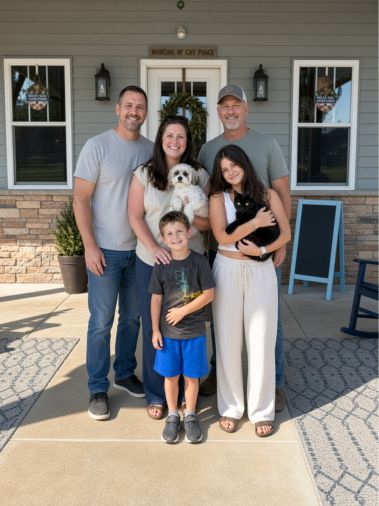
A family welcoming puppies at South Carolina Dog Club

A family-centered beginning

01

Where the story begins

Family homes shape the earliest chapter

South Carolina Dog Club describes its work as a collaboration among experienced dog professionals, devoted families, hands-on caregivers, and veterinary professionals.

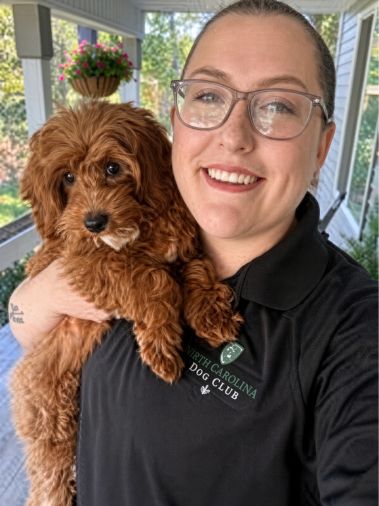
South Carolina Dog Club pet counselor holding a puppyRaised with daily family care

The club says its guardian-home model is designed so parent dogs live in loving households instead of being raised in a facility. Guardian families provide daily interaction, enrichment, nutrition, and routine care while the breeding program maintains direct oversight.

Published information also describes health evaluation, genetic screening, DNA testing, OFA certifications, and thoughtfully selected pairings that consider health, temperament, structure, and long-term well-being.

Parent dogs are family companions
Health informs planned pairings
Daily interaction supports development
Trusted licensed breeders follow stated standards

Explore the breeder program →

12Year Health Warranty

The health file

Written protection comes with important responsibilities

The club’s published materials outline health screening, veterinary care, insurance expectations, transition guidance, and a 12-year health warranty. The complete written warranty controls.

1

Read the agreementReview current coverage, exclusions, time limits, and responsibilities.
2

Arrange veterinary careComplete the required initial examination within the stated window.
3

Activate insuranceFollow the initial insurance requirements and review the Trupanion offer.
4

Keep your recordsSave veterinary documentation and follow the notice and claim procedures.

Read the complete 12-year health warranty →

02

The first days together

A quieter homecoming starts with rest and routine

The club’s FAQ and health information describe the first days at home as a transition period. Families are encouraged to provide rest, use a crate as part of a consistent routine, continue vaccinations with their veterinarian, and contact the puppy care team or veterinarian when questions arise.

South Carolina Dog Club also publishes information about Trupanion pet insurance. Review current activation, eligibility, and coverage details directly before relying on any complimentary period.

RestGive a puppy time to decompress and settle.
RoutineUse consistent feeding, rest, and crate rhythms.
Veterinary follow-upContinue scheduled care with your veterinarian.
InsuranceConfirm the current requirements and policy details.

Review pet insurance information →

Young puppy walking on turf

From first questions to the first weeks home

What families can expect along the way

The club’s FAQ and training information describe a guided process that begins with thoughtful matching and continues through the transition home. Current policies and availability should always be confirmed with the team.

Before a visit

A lifestyle-focused conversation

The club says its team works to understand a family’s routine, preferences, and expectations so it can help identify puppies that may be a thoughtful match.

Planned puppy visits

Published FAQs describe scheduled Paw Visits where families can spend time with available puppies. Household dogs are not brought onto the property as part of the club’s disease-prevention practices.

Going home

Identification and health records

The club states that puppies are microchipped and that vaccinations are current at adoption. Families are responsible for continuing the recommended vaccination schedule with their veterinarian.

A transition plan

Rest, a calm routine, crate time, scheduled meals, and prompt veterinary follow-up help give a puppy a more predictable start in a new home.

Building skills

Early foundations

Puppy Preschool may include housebreaking routines, crate and playpen training, socialization, scheduled feeding, and introductory cues such as sit, down, and come.

Progressive practice

As training advances, the program describes work with leash skills, desensitization, and additional obedience foundations designed for a puppy’s age and stage.

Continuing support

Questions after homecoming

Families are encouraged to contact the puppy care team or their veterinarian when health or transition questions arise instead of waiting for a concern to grow.

A long-term responsibility

If circumstances change, Homes for Life provides a vetted rehoming pathway intended to help puppies and adult dogs remain with families and out of shelters.

Read the complete club FAQ →

Chapter 03 · the path home

Support follows the family’s route

A

Delivery options

For families who cannot pick up in person, the club describes personal flight-nanny and driving-delivery options. Availability, travel planning, approval, and current terms should be confirmed directly.

See delivery options →

B

Puppy Preschool

The training program is described as a foundation for housebreaking routines, crate and playpen training, socialization, scheduled feeding, and age-appropriate commands.

Explore puppy training →

C

Homes for Life

If a family can no longer keep a puppy or adult dog, Homes for Life offers a vetted rehoming pathway intended to help dogs remain with families and out of shelters. Published terms explain that rehoming does not provide compensation and a new Homes for Life family does not receive a health warranty.

Learn about Homes for Life →

Chapter 04 · the family field guide

Three reads for a more confident start

01

Welcome to South Carolina Dog Club

Explore the club’s approach to thoughtful matching, puppy care, and continuing family support.

Open guide →

02

Understanding Puppy Stress Signals

Learn what changes in body language and behavior may suggest a puppy needs rest, space, or support.

Open guide →

03

Stress-Free Puppy Crate Training Tips

Build positive associations and routines that help a crate become a comfortable resting place.

Open guide →

Where do South Carolina Dog Club puppies come from?
The club describes a guardian-home model in which parent dogs live with families. Its breeder information outlines oversight, health evaluation, screening, planned pairings, socialization, and routine care. Read the breeder program →
What health information should families review?
Read the current 12-year health warranty in full, including veterinary-exam deadlines, insurance expectations, coverage, exclusions, documentation requirements, and claim procedures. View the current warranty →
What should we expect during the first days home?
The club recommends allowing transition time, providing rest, establishing a consistent routine, continuing veterinary care, and reaching out to the care team or veterinarian with concerns.
Does the club offer pet insurance information?
Yes. South Carolina Dog Club publishes information about Trupanion and explains insurance expectations connected with its warranty. Confirm current activation, eligibility, waiting-period, and coverage details directly.
Are delivery options available?
The club describes personal flight-nanny and driving-delivery options for approved travel plans. Contact the team for current availability, timing, terms, and pricing.
What happens if a family can no longer keep its dog?
Homes for Life offers a vetted rehoming pathway. Its published terms explain the process, including that rehoming does not provide a refund or compensation and a new Homes for Life family does not receive a health warranty.

Chat with us